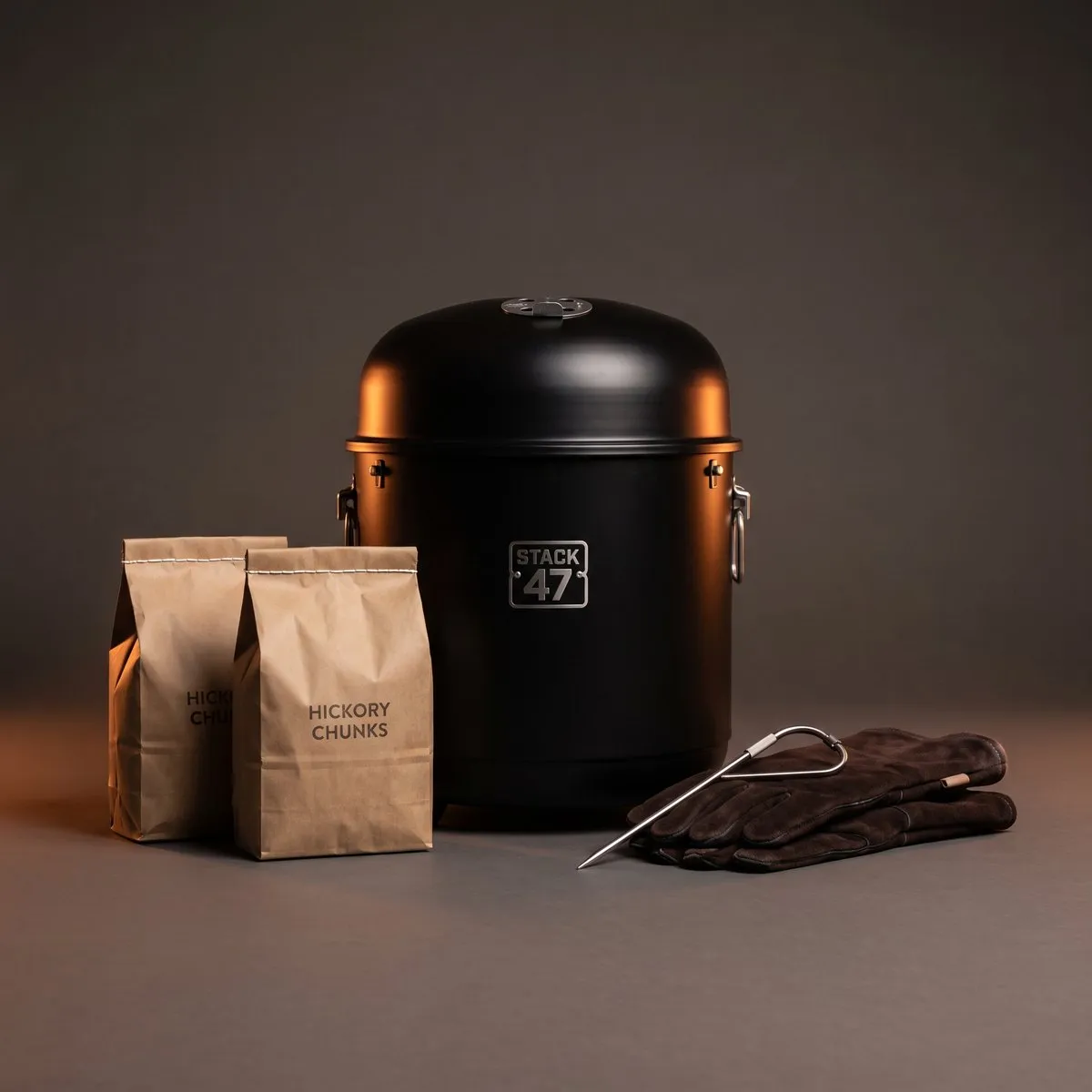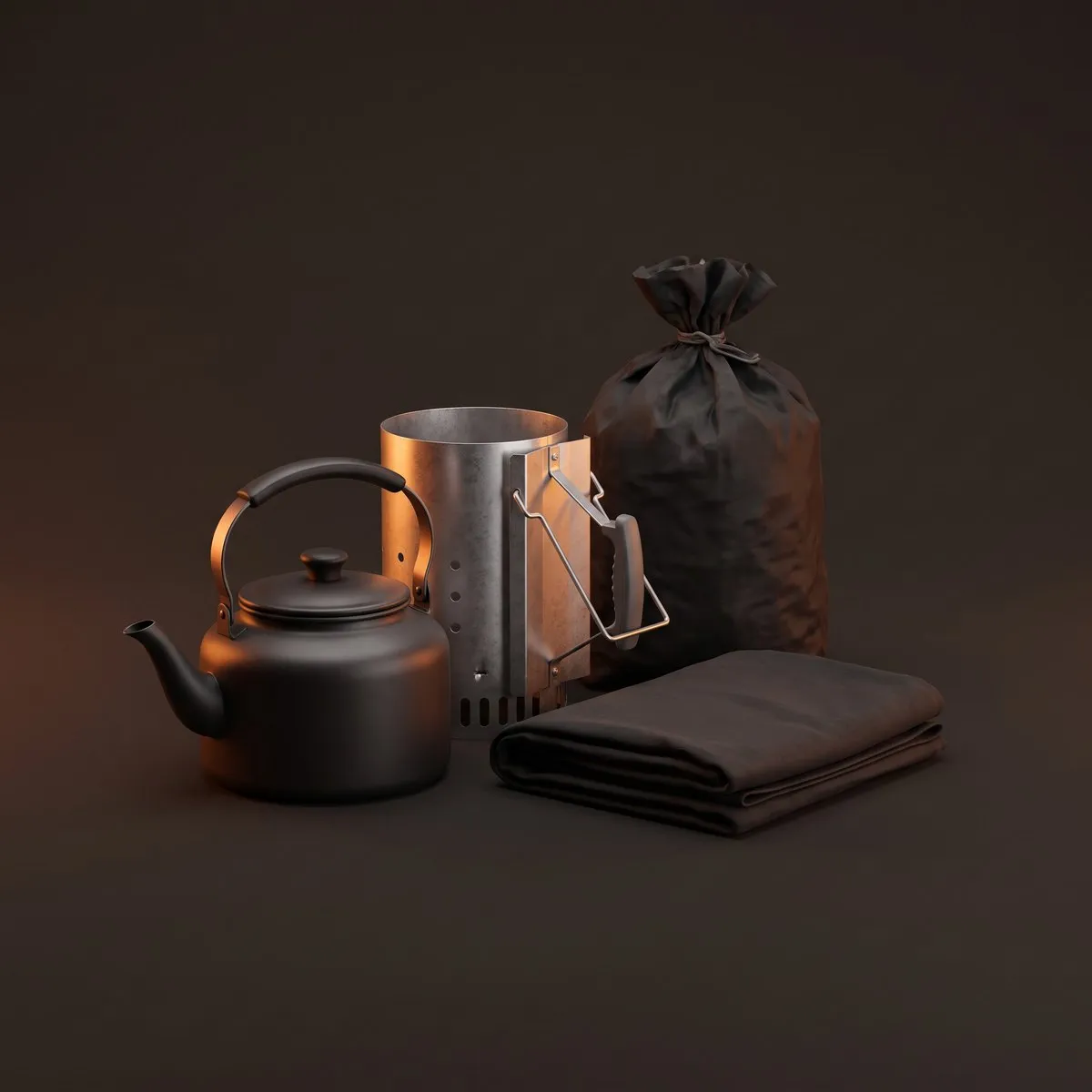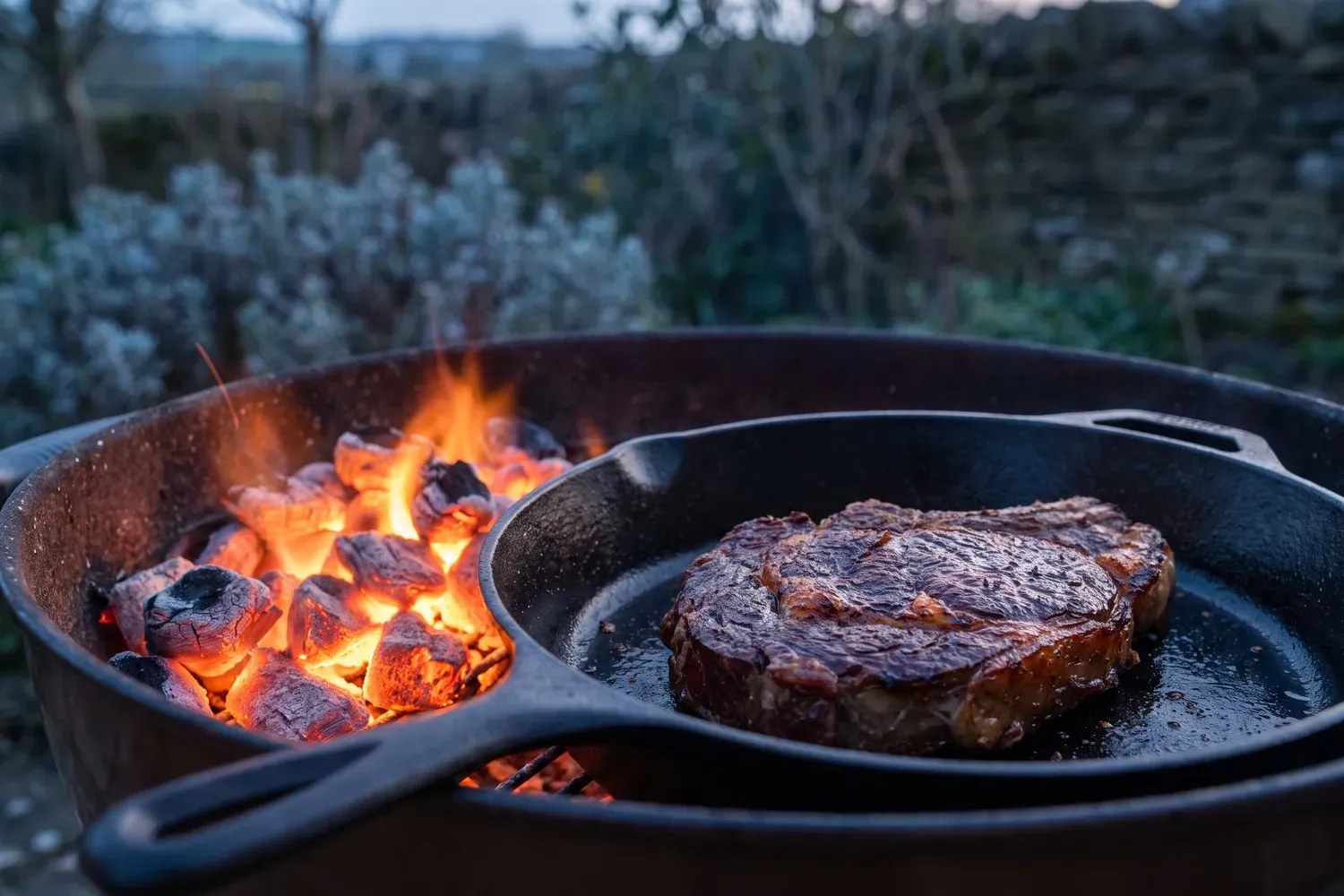
There is no need for lighter fluid, and no need to wait for a bag of charcoal to catch on its own. A Chimney Starter and a couple of firelighters will have lumpwood glowing in 15 to 20 minutes, with none of the chemical smell and none of the taste it can leave on food.
What you need
- A chimney starter, filled with lumpwood charcoal
- Two wood wool firelighters, not liquid fuel
- A heatproof surface and a pair of gloves
- A kettle or grill with the vents open
The method
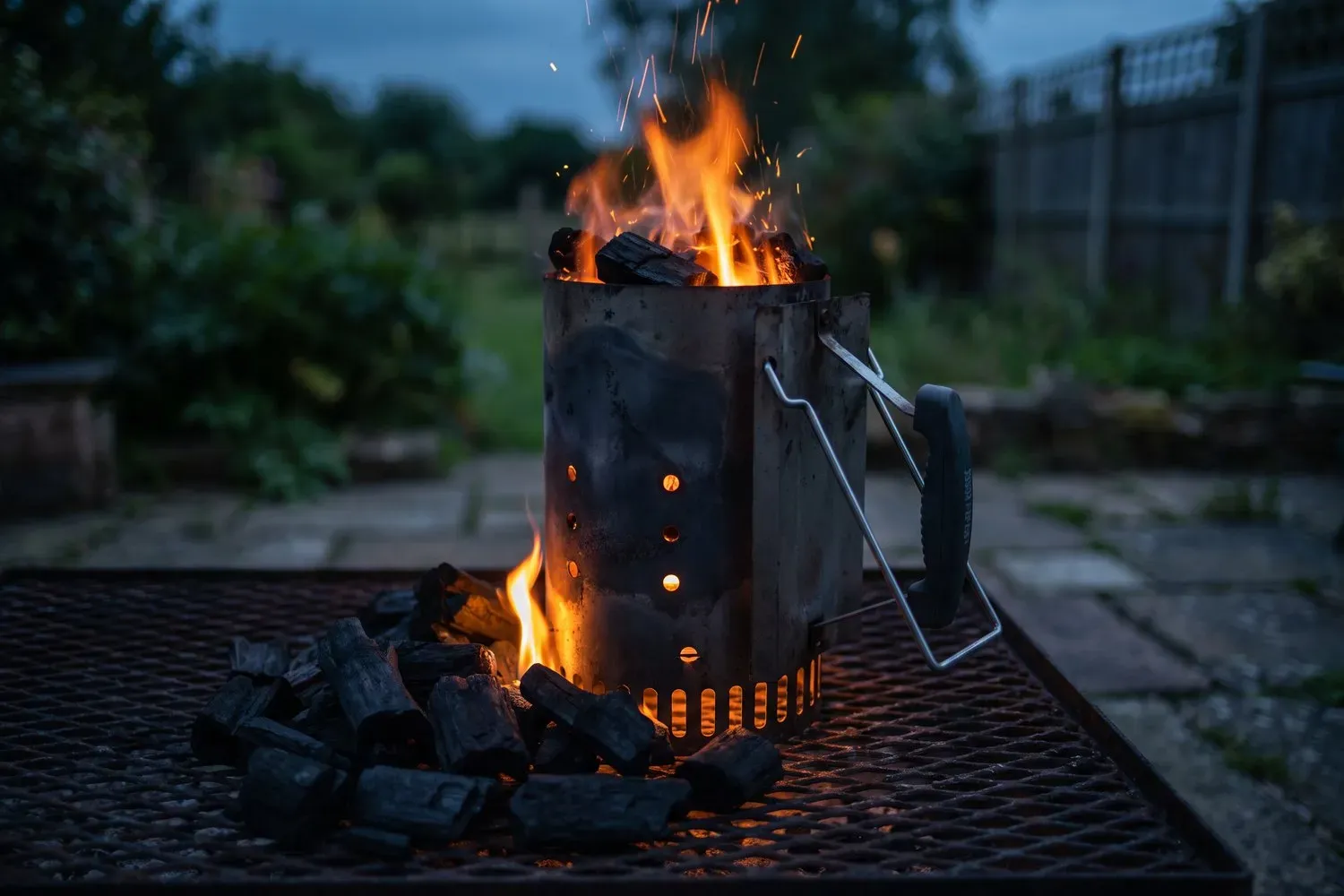
- Stand the chimney on the charcoal grate or a heatproof tray.
- Fill the top with lumpwood, leaving the bottom chamber empty.
- Put two Wood Wool Firelighters underneath the chimney.
- Light them and let the flames draw up through the coals.
- Wait 15 to 20 minutes until the top coals are grey at the edges.
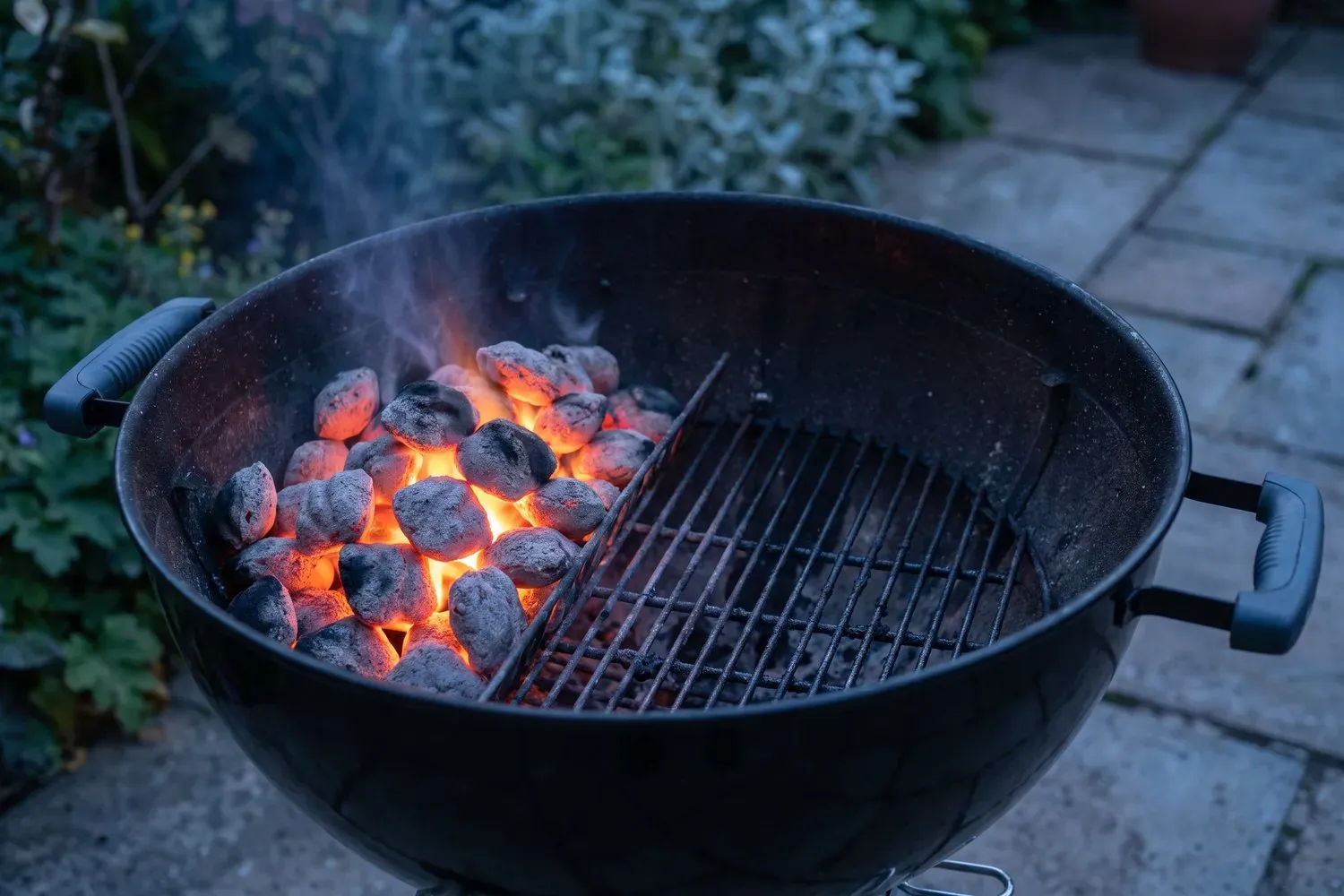
- Tip them out where you want them and set up your zones.
Wood wool firelighters are made from wood shavings and wax, so they burn clean and leave nothing behind but ash. They light every time, even in a bit of wind, which is more than can be said for crumpled newspaper. Keep them dry in a tin and they will last for years.
A few things to know
Lumpwood lights faster and burns hotter than briquettes, and it gives a cleaner smoke. Use enough to fill the chimney about two thirds, which is roughly 1 to 1.5 kg, for a standard kettle. Do not overfill it or the coals at the top will not light evenly.
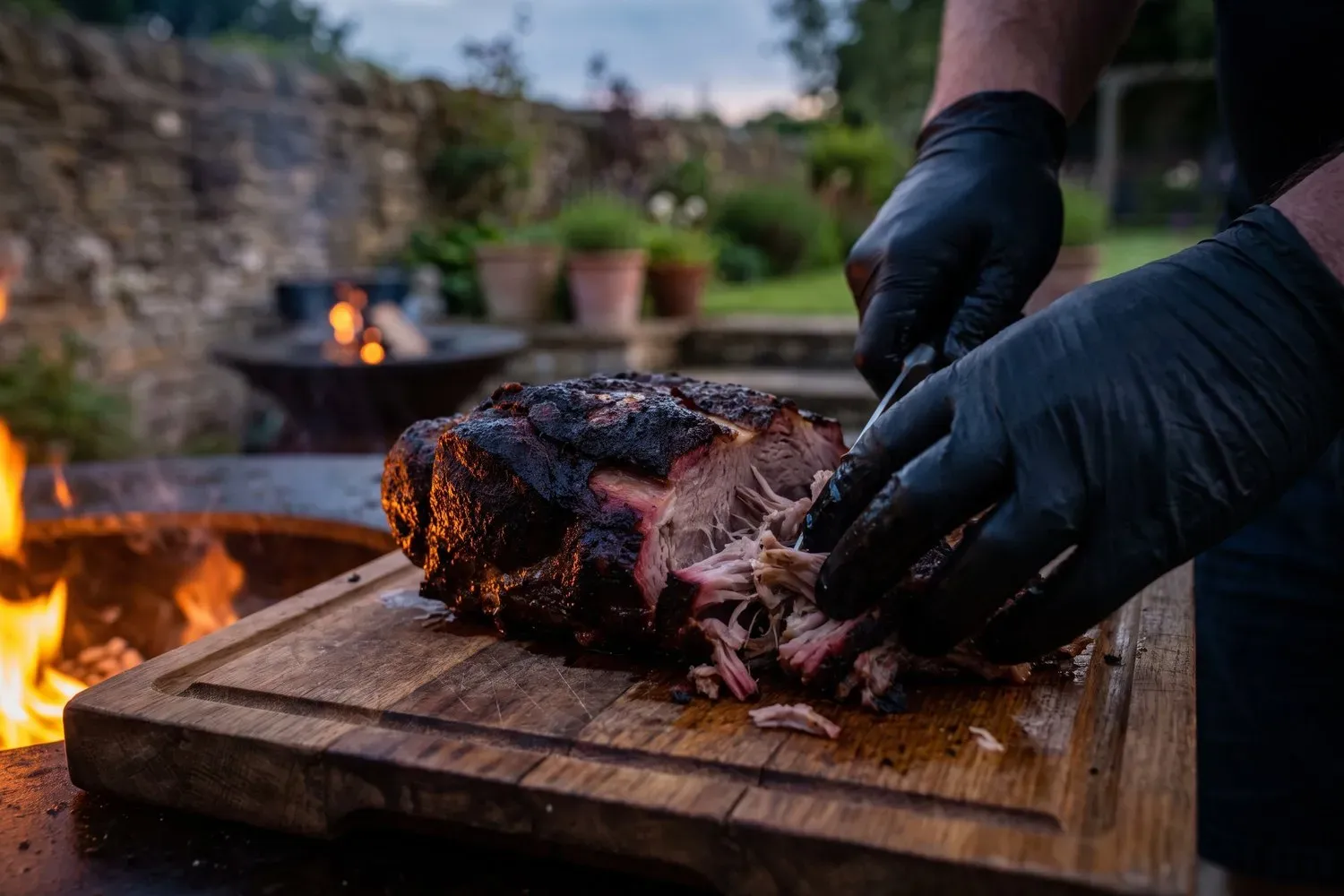
If you are cooking low and slow, let the coals settle before you add food. Flames and thick white smoke are not what you want over a shoulder of pork. Wait until the coals are ashed over and the smoke is thin and blue. A probe on the grate tells you when you are at the temperature you want.
Briquettes or lumpwood
Both work in a chimney, but they behave differently. Lumpwood is pure charred wood: it lights quickly, burns hot and gives a clean flavour, though the pieces are uneven and it burns down faster. Briquettes are pressed and uniform, so they hold a steadier temperature for longer, which suits a long, low cook. For quick grilling, reach for lumpwood; for a slow shoulder, briquettes or a mix will hold more evenly.
Stack the coals so air can move between them, and never top up a chimney with cold charcoal once it is lit. If you need more fuel later, light a second chimney and add the hot coals to the fire. Cold coals dropped onto a hot bed smother the fire and send up thick smoke.
Safety
- Never light charcoal indoors, in a tent or in a garage
- Keep the kettle 3 m from fences, sheds and anything that can burn
- Let ashes cool for 48 hours before you bin them
- Keep children and pets well back from a lit chimney
Once you have lit charcoal this way a few times it becomes second nature, and the chimney does the work while you prep the food. No fuel smell, no waiting around and a clean bed of coals every time you cook.