The two-zone fire is the single most useful setup in barbecue. You bank the coals to one side of the kettle and leave the other side empty, so you have a hot zone for searing and a cooler zone for gentle cooking. Almost everything you cook outside can be done with those two areas, from a quick steak to a slow roast chicken.
Build it
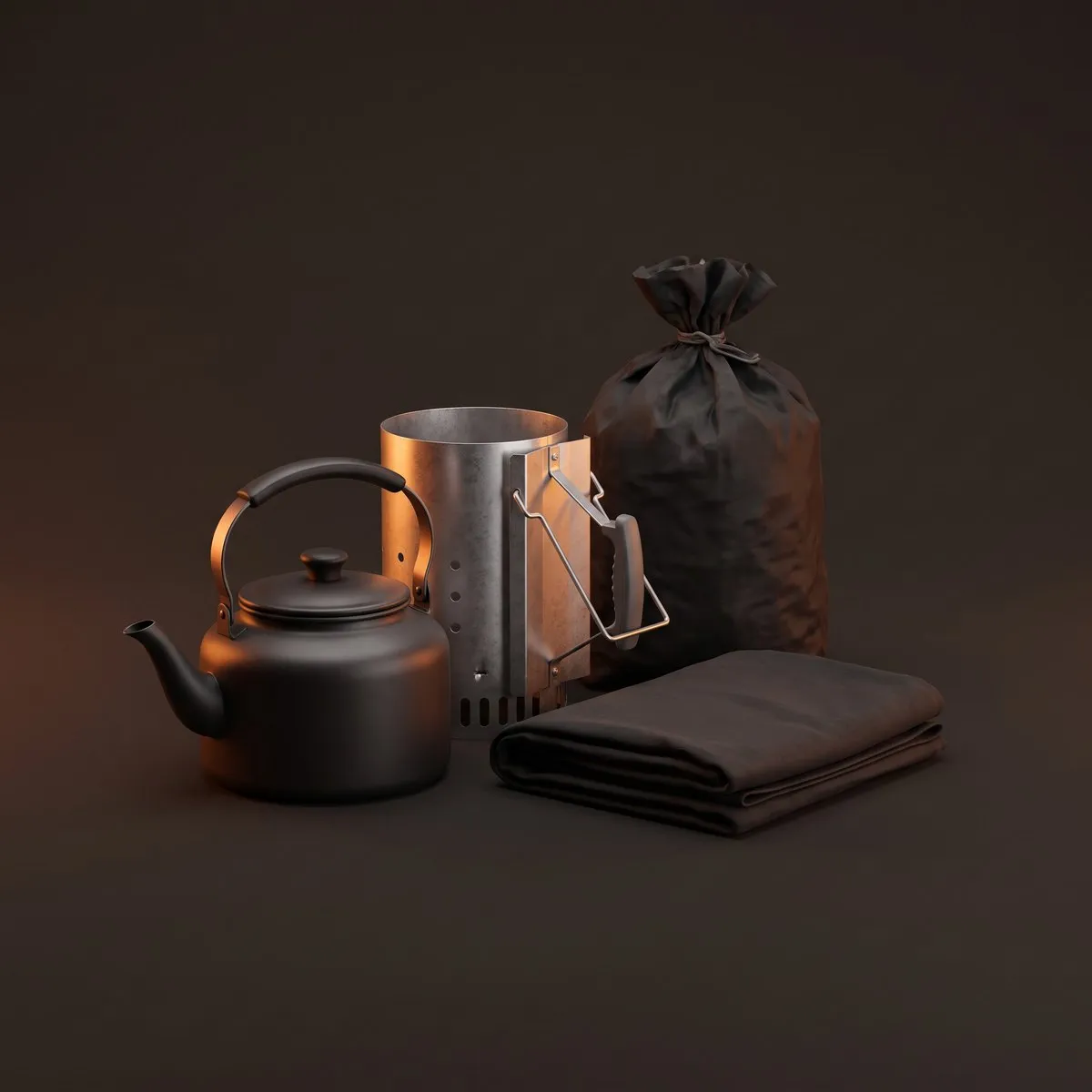
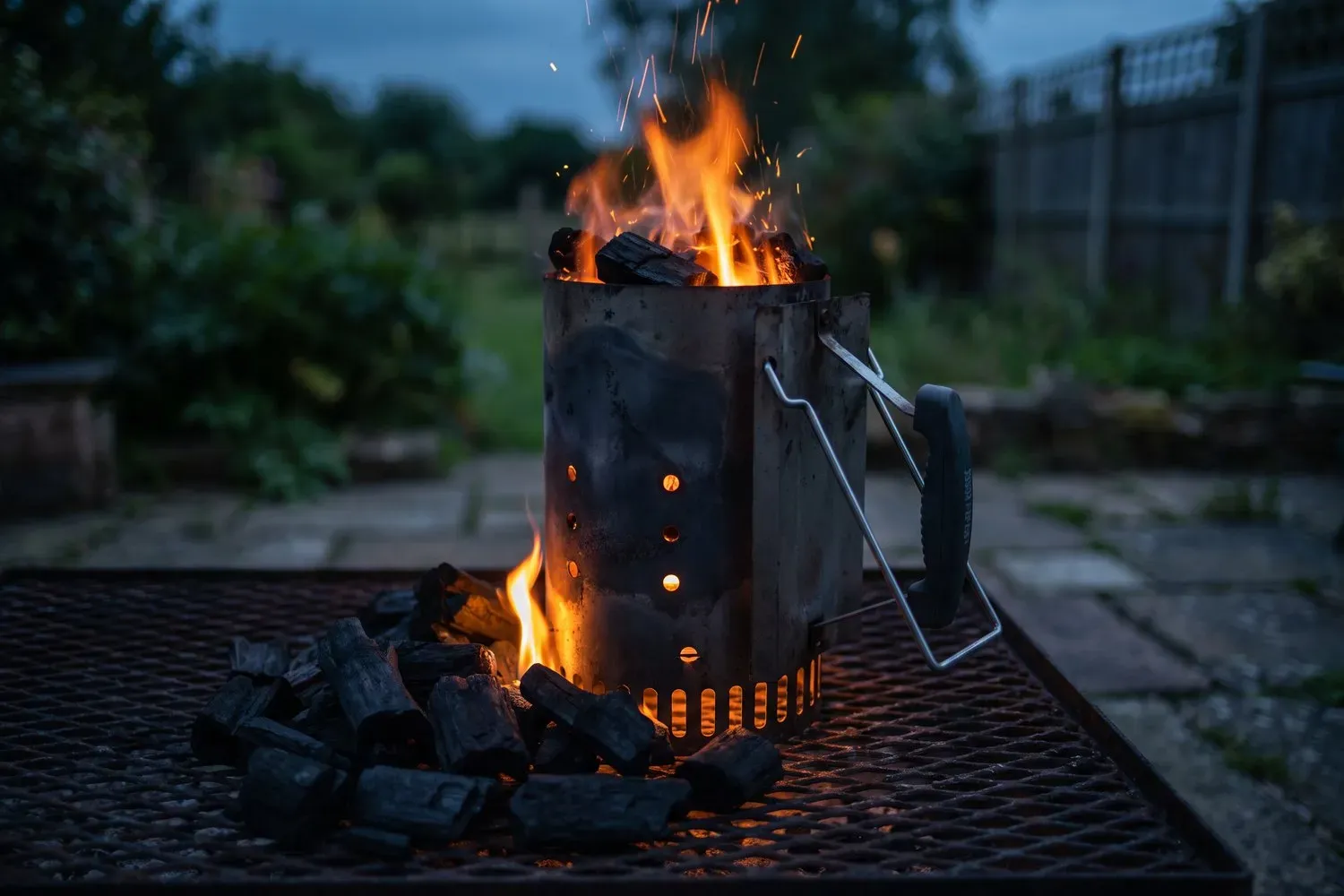
- Fill a Chimney Starter with lumpwood charcoal, about two thirds full.
- Light two Wood Wool Firelighters underneath and wait 15 to 20 minutes for grey edges.
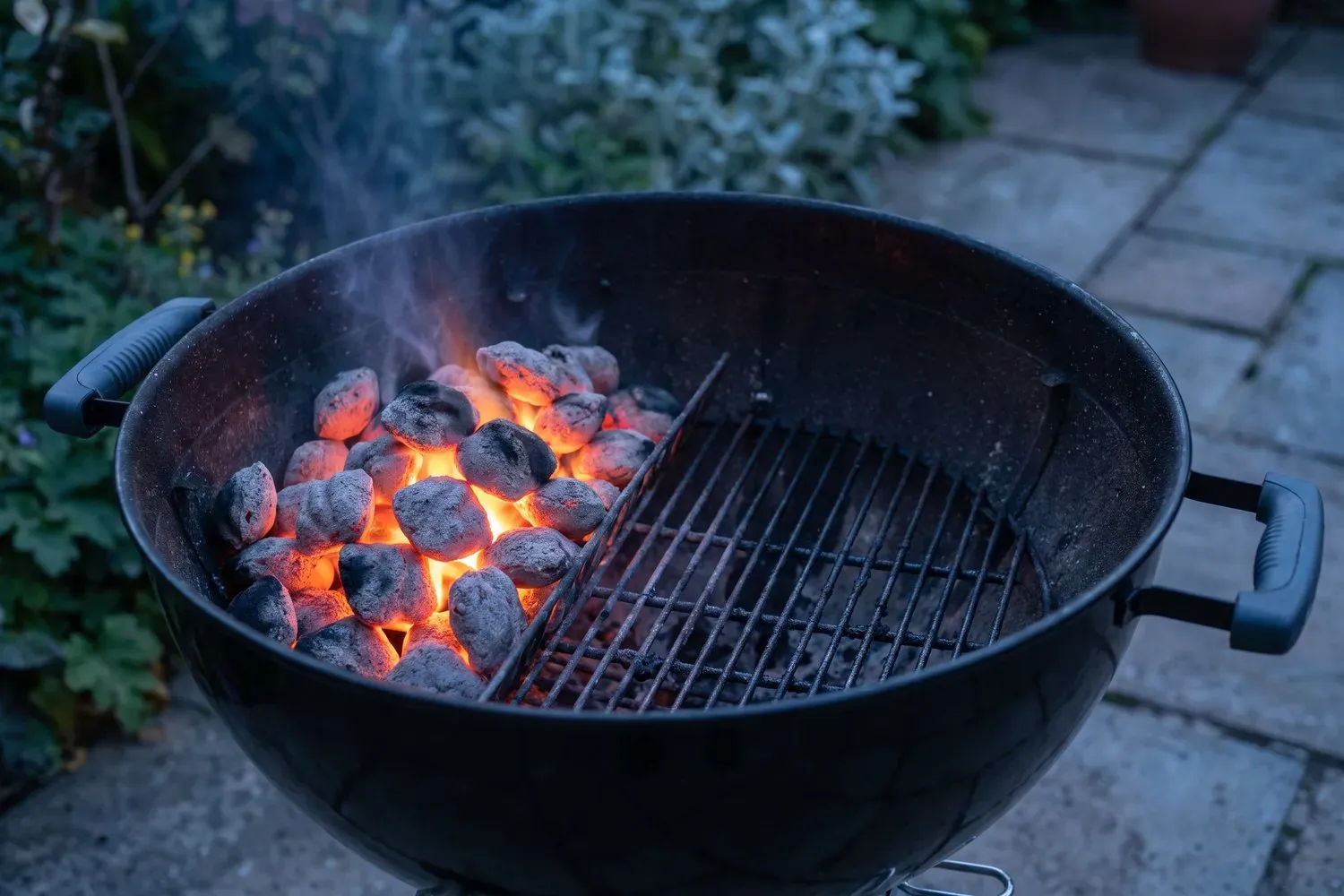
- Tip the coals onto one half of the charcoal grate and bank them neatly.
- Leave the other half empty, with no coals at all.
- Fit the cooking grate, close the lid and let it heat for 5 minutes.
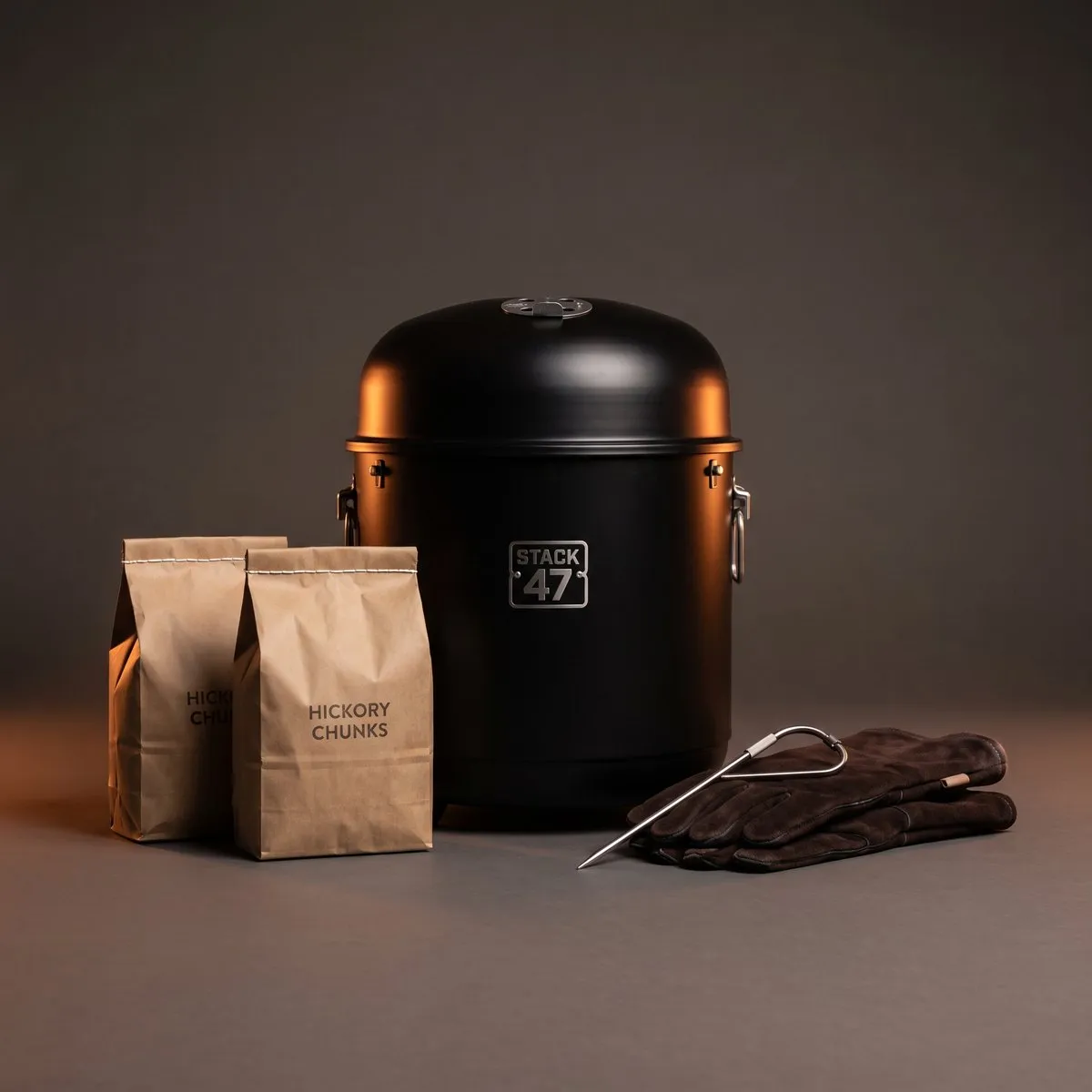
On the Forge 57 Charcoal Kettle the coal side sits over one half of the grate and the cool side becomes your indirect oven. With both vents open you might read 200 to 250°C over the coals and 110 to 150°C on the far side, which is a wide and useful range for one fire.
Use it
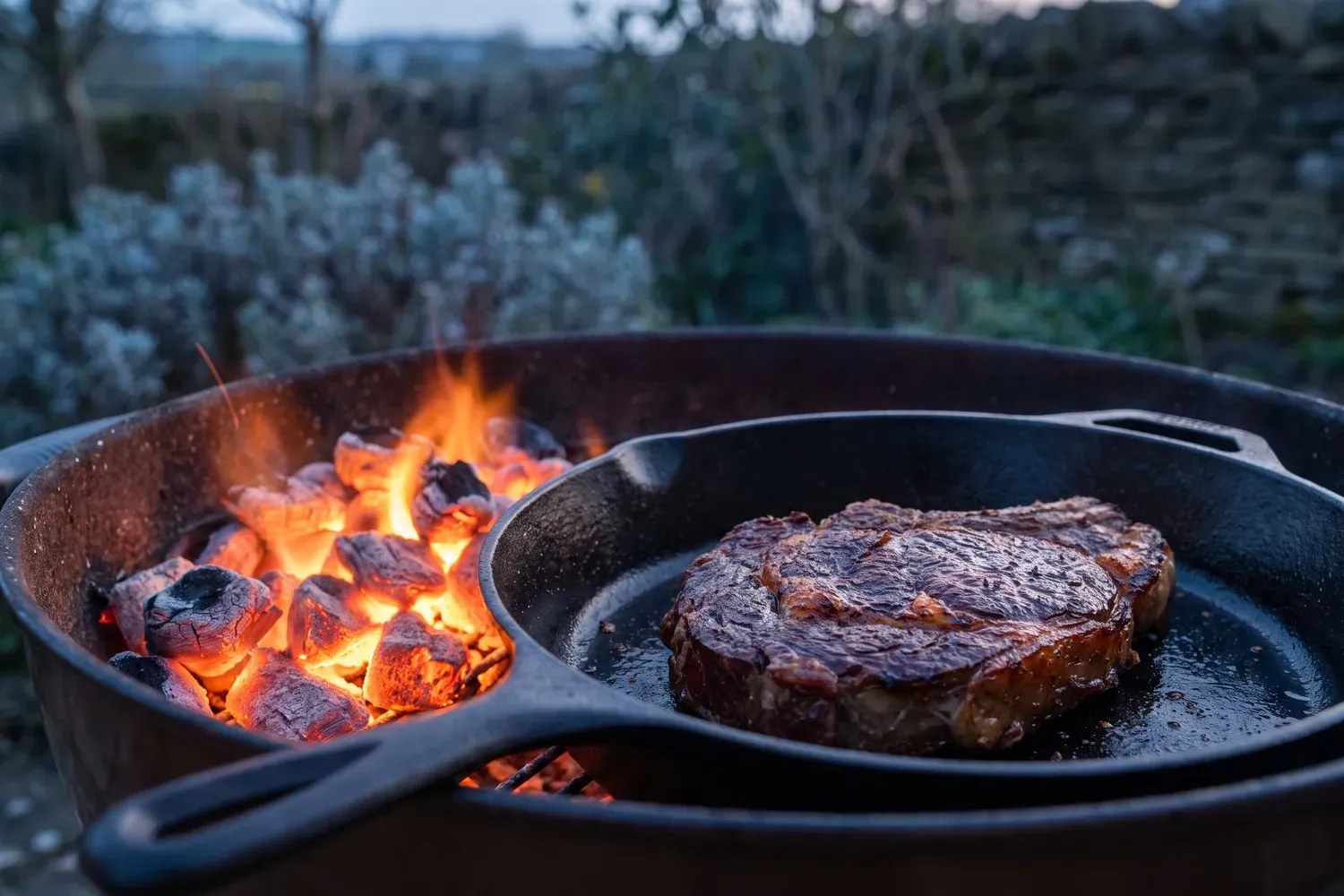
Sear over the coals for colour and crust, then move the food to the cool side to finish. This is how you cook a thick steak, a butterflied leg of lamb or a spatchcocked chicken without burning the outside before the middle is done. For roasts, keep everything on the cool side, put the lid on and cook slowly, adding a few fresh coals every 45 minutes if the heat starts to drop.
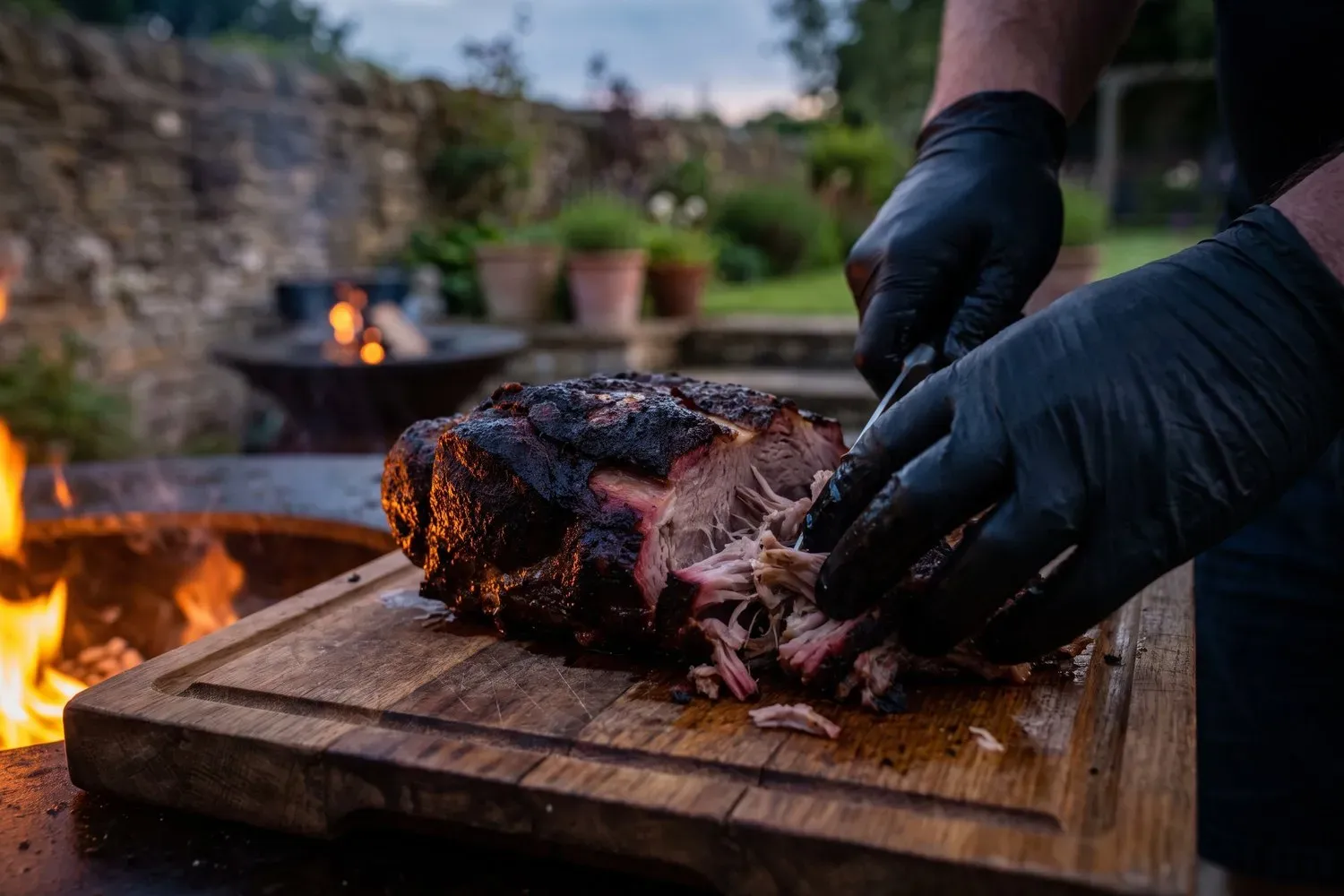
You can also use the empty side to hold food that is ready while the rest catches up, or to rest meat out of the direct heat. A drip tray under the cool side catches the juices and keeps the kettle clean.
Control the heat
- More coals means more heat, so start with less than you think
- Open the vents to run hotter, close them to run cooler
- Keep the lid on to hold steady temperatures
- Use a probe to trust the number rather than the feel of your hand
Small adjustments are best. Give the kettle 10 minutes to settle after you move a vent, then take a reading before you change anything else. A steady fire is easier to cook on than one that swings hot and cold.
A chicken is a good place to start: brown it over the coals for a few minutes a side, then move it to the cool side, put the lid on and cook for 35 to 45 minutes until the thickest part of the thigh reads 74°C. Thick pork chops, sausages and corn all behave the same way. Once you know the two temperatures of your fire, you can move food between the zones with confidence. Take a reading at the grate, not at the lid, since the two can differ by 50 degrees or more.
Why it works
The two-zone fire is also the safest way to cook. Food that would flare over a full grate sits safely to one side, and you always have a cool spot to move things to. Learn to build it once and you will use it every time you light the kettle.